
The digital marketing landscape is evolving faster than ever. By 2026, the strategies that worked in 2024 may become outdated. Artificial intelligence, immersive technologies, and privacy-first marketing are reshaping how brands connect with customers. This guide breaks down the biggest digital marketing trends for 2026 and gives you actionable steps to stay ahead of the competition.
Table of Contents
1. AI & Machine Learning: The New Marketing Engine
AI and machine learning are no longer optional—they’re essential. By 2026, these technologies will be at the core of every effective marketing strategy.
What’s Changing:
Hyper-Personalization: AI analyzes customer behavior in real-time, allowing you to deliver personalized content to each visitor. Instead of generic messaging, customers see offers tailored to their preferences.
Predictive Analytics: Machine learning predicts what customers will buy before they know it themselves. This helps you optimize ad spend and improve conversion rates.
Automation at Scale: Email campaigns, social media posts, and customer service can all be automated, freeing your team for strategic work.
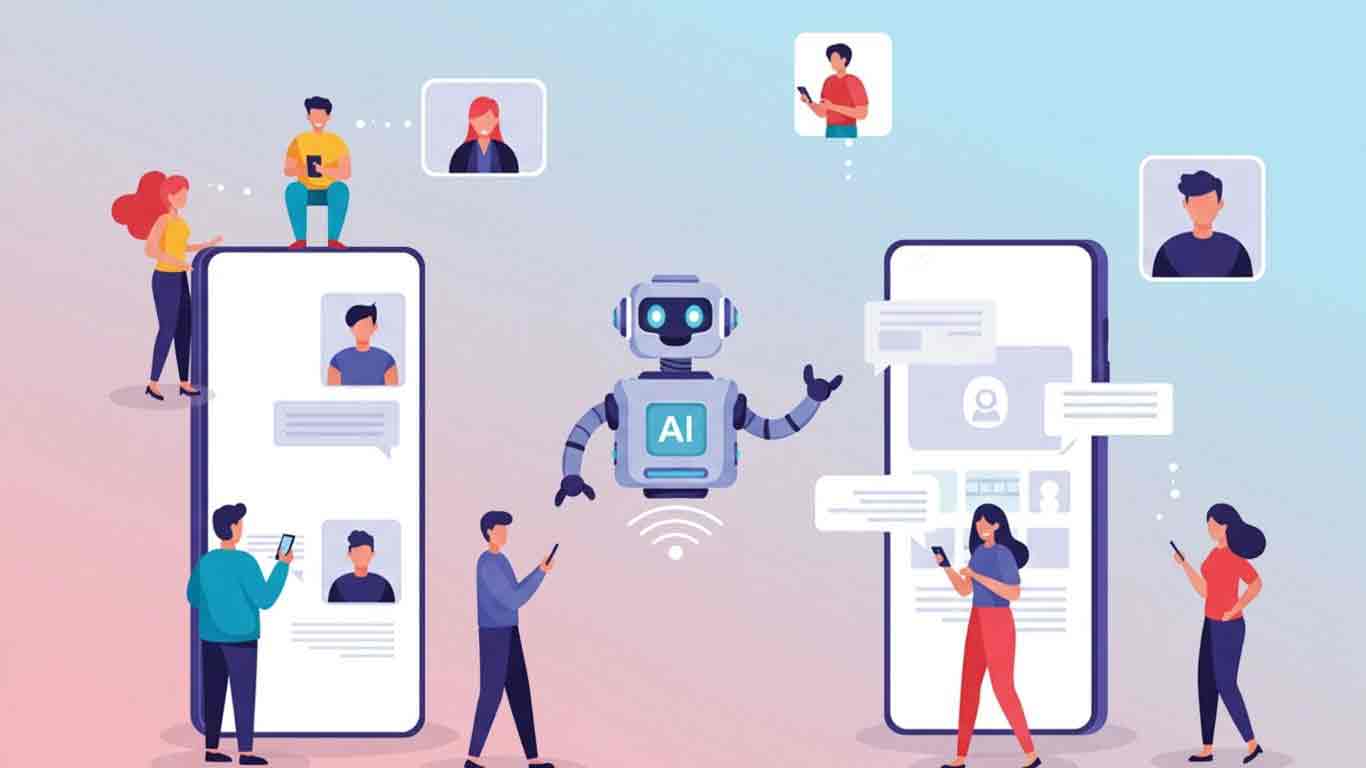
AI-Powered Chatbots: Advanced chatbots handle customer inquiries 24/7, answering questions and guiding prospects through the sales funnel.
Actionable Steps:
- Implement an AI chatbot on your website (try Drift or Intercom)
- Use predictive analytics tools to identify high-value customers
- Set up email automation based on customer behavior
- Test AI-generated content headlines to improve click-through rates
Why This Matters:
Personalization increases conversion rates by up to 20% and improves customer lifetime value. Companies using AI for marketing see 3-5x better ROI than those without it.
2. Social Media Marketing: Communities Over Reach
The days of vanity metrics are over. In 2026, social media is shifting from broad reach to engaged communities.
What’s Changing:
Rise of Niche Platforms: TikTok, Threads, Discord, and Reddit will dominate over traditional platforms. Niche communities with 10,000 engaged followers outperform pages with 1 million inactive followers.
Community Building: Brands are investing in exclusive communities (using Discord, Circle, or Mighty Networks) where superfans connect and engage directly.
Authenticity Over Perfection: Polished, corporate content loses. Raw, authentic, behind-the-scenes content wins.
Interactive Features: Polls, Q&A, live streams, and user-generated content drive 3x more engagement than traditional posts.
AR Filters & Experiences: Instagram and TikTok AR features will be essential for viral campaigns.
Actionable Steps:
- Create a private community on Discord or Circle for your most loyal customers
- Post 3x more user-generated content and customer testimonials
- Go live at least once a week on your primary platform
- Focus on niche platforms where your audience actually spends time
- Develop AR filters for your brand on Instagram/TikTok
Why This Matters:
Engaged communities drive 10x better word-of-mouth marketing and higher customer lifetime value. A small, loyal community beats a large, disengaged audience every time.
3. Video, AR & VR: Immersive Content Takes Center Stage
Video isn’t the future—it’s the present. By 2026, video will account for over 80% of all digital content consumption.
What’s Changing:
Short-Form Video Dominance: TikTok, Instagram Reels, and YouTube Shorts are where attention goes. Platforms prioritize videos under 60 seconds.
Live Streaming Growth: Live streams create urgency and real-time engagement. Brands use live streams for product launches, Q&A sessions, and event coverage.
Immersive Experiences: AR allows customers to try products before buying (virtual try-on for makeup, furniture, glasses). VR creates branded experiences.

Interactive Video: Clickable hotspots, shoppable videos, and branching narratives increase engagement and conversions.
AI Video Tools: Tools can generate personalized video at scale, making production faster and cheaper.
Actionable Steps:
- Repurpose long-form content into 5-10 short clips for TikTok/Reels
- Go live weekly (LinkedIn, Instagram, or YouTube)
- Create a 30-second explainer video for your main product/service
- Experiment with shoppable videos to sell directly from video content
- Use AI video tools to create personalized video messages for leads
Why This Matters:
Video content gets 1200% more shares than text and images combined. Videos improve email open rates by 19% and boost conversion rates by 34%.
4. Data Privacy & Zero-Party Data: The New Currency
Privacy regulations are tightening, and that’s good for your customers. By 2026, data privacy won’t just be legal—it’ll be a competitive advantage.
What’s Changing:
Third-Party Cookie Phase-Out: Google is killing third-party cookies in 2024. By 2026, relying on cookies will be completely obsolete.
Zero-Party Data Rise: Data customers willingly share (survey responses, preferences, feedback) becomes your most valuable asset.
Privacy-First Marketing: Transparent, consent-based marketing builds trust and improves customer relationships.
Stricter Regulations: GDPR, CCPA, and new privacy laws mean non-compliance can cost you millions. By 2026, expect even stricter rules.
First-Party Data Strategies: Building your own email list, app, or community becomes critical.
Actionable Steps:
- Build your email list aggressively (this is your most valuable asset)
- Create preference centers so customers control what they receive
- Ask customers to share their preferences directly (surveys, quizzes)
- Develop a loyalty program that collects zero-party data
- Audit your data collection practices for compliance
- Shift away from third-party data sources
Why This Matters:
Companies collecting first-party data see 30% better conversion rates. Privacy-first marketing increases customer trust by 40%, leading to higher lifetime value.
5. Influencer Marketing: Authenticity & Micro-Influencers
Mega-influencers are dead. Micro-influencers rule 2026.
What’s Changing:
Micro & Nano-Influencers Win: Influencers with 10K-100K followers have better engagement rates (5-10%) than mega-influencers (1-3%). They’re also cheaper.
Long-Term Partnerships: One-off posts are out. Brands now invest in 6-12 month partnerships with influencers who genuinely use their products.
Authenticity is Non-Negotiable: Audiences can smell inauthentic promotions. Influencers must genuinely believe in the brand.
Performance Metrics: Brands shift from follower count to engagement rate, click-through rate, and actual conversions.
Niche Influencers: Influencers in specific niches command premium rates because their audiences are highly engaged.
Actionable Steps:
- Find 5-10 micro-influencers in your niche (use HypeAuditor or AspireIQ)
- Offer free products or service trials instead of payment (for micro-influencers)
- Create 6-12 month ambassador programs, not one-off sponsorships
- Focus on engagement rate, not follower count
- Partner with influencers who genuinely use your product
Why This Matters:
Micro-influencer campaigns have a 60% higher engagement rate and 5x better ROI than mega-influencer campaigns.
6. Digital Advertising: Programmatic, Blockchain & Predictive Analytics
Digital advertising is becoming smarter, more transparent, and more efficient.
What’s Changing:
Programmatic Advertising: AI-driven real-time bidding ensures your ads reach the right person at the right time. Manual ad buying becomes outdated.
Blockchain Transparency: Blockchain technology eliminates ad fraud and creates transparent ad chains. You’ll know exactly where your ad spend goes.
Predictive Analytics: Machine learning predicts which customers are most likely to convert, allowing you to optimize budgets automatically.
Privacy-First Targeting: Contextual targeting (showing ads based on page content) replaces behavioral targeting (based on user history).
Performance-Based Pricing: More advertisers shift from CPM to CPC or CPA pricing models.
Actionable Steps:
- Transition to programmatic advertising platforms (Google Ads, Facebook Ads already use this)
- Implement conversion tracking on all campaigns
- Test contextual targeting strategies
- Shift budgets to performance-based pricing models
- Use predictive analytics to identify high-value audiences
Why This Matters:
Programmatic advertising improves ROI by 20-30%. Predictive analytics reduces wasted ad spend and increases conversion rates by 25%.
7. Omnichannel & Conversational Marketing: Seamless Experiences
Customers expect a seamless experience across all touchpoints. By 2026, omnichannel marketing isn’t optional—it’s expected.
What’s Changing:
Consistent Messaging Across Channels: Your message on Instagram should match your message on email, your website, and in-store.
Conversational Marketing Growth: ChatGPT and advanced chatbots enable real-time conversations at scale. Customers prefer chatting to calling.
Unified Customer Profiles: Your CRM connects all customer touchpoints, giving you a 360-degree view of each customer.
Seamless Shopping Experience: Buy online, pickup in-store. Browse in-store, buy on mobile. Customers expect all channels to work together.
Messaging App Marketing: SMS, WhatsApp, and Messenger become major marketing channels as email fatigue increases.
Actionable Steps:
- Implement a customer data platform (CDP) like Segment or Tealium
- Add a chatbot to your website (Drift, Intercom, or HubSpot)
- Create unified messaging across all channels
- Set up SMS marketing for time-sensitive offers
- Ensure your website, mobile app, and physical store are connected
Why This Matters:
Omnichannel customers spend 3.5x more money than single-channel customers. They also have a 23% higher retention rate.
8. 5G, IoT & Emerging Technologies
New technologies are creating new opportunities for marketers.
What’s Changing:
5G Speed: Faster internet means richer video experiences, quicker load times, and better mobile engagement.
IoT Marketing: Smart devices (watches, smart homes, cars) create opportunities for contextual, location-based marketing.
Voice Search Optimization: With Alexa, Siri, and Google Assistant, optimizing for voice search becomes critical.
Metaverse Marketing: Virtual worlds create new spaces for branded experiences, virtual events, and digital products.
Wearable Marketing: Smartwatches and AR glasses open new channels for notifications, ads, and experiences.
Actionable Steps:
- Optimize your website for voice search (use natural language, FAQ sections)
- Ensure your website is mobile-first and fast (critical for 5G users)
- Test marketing on emerging platforms (Roblox, Decentraland for metaverse)
- Prepare for smartwatch notifications (keep messages short and actionable)
- Explore location-based marketing through IoT devices
Why This Matters:
50% of searches will be voice-based by 2026. Early adopters of emerging tech gain first-mover advantage and higher brand awareness.
9. Sustainability & Ethical Marketing
Customers increasingly vote with their wallets. By 2026, brands with strong values win, and greenwashing fails.
What’s Changing:
Eco-Conscious Customers: 72% of millennials prefer sustainable brands. This isn’t niche—it’s mainstream.
Transparency Requirement: Customers demand proof of sustainability claims. Vague promises get called out on social media.
Diversity & Inclusion: Authentic representation in your marketing increases trust with younger audiences by 30%.
Ethical Sourcing: Where your product comes from matters. Supply chain transparency becomes a selling point.
Purpose-Driven Marketing: Brands that stand for something beyond profit resonate better with audiences.
Actionable Steps:
- Audit your supply chain and share findings transparently
- Ensure diverse representation in your marketing content
- Set measurable sustainability goals and communicate progress
- Partner with causes your audience cares about
- Be honest about what you’re doing well and where you need to improve
Why This Matters:
Sustainable brands grow 10x faster than traditional brands. Purpose-driven companies see 33% higher customer loyalty.
10. How to Prepare Your Business for 2026
Knowledge is useless without action. Here’s a practical roadmap to prepare your business for 2026:
Q1 2026 Priorities:
- Audit Your Current Strategy: What’s working? What’s outdated? Where are you falling behind?
- Invest in First-Party Data: Start building your email list and customer community. This is your insurance policy.
- Implement AI & Automation: Add a chatbot, set up email automation, and explore AI-powered tools.
- Strengthen Your Video Strategy: Dedicate budget to short-form and live video content.
Q2 2026 Priorities:
- Test Social Media Channels: Find where your audience is and build community there.
- Partner with Micro-Influencers: Start building relationships with 2-3 influencers in your niche.
- Optimize for Privacy: Audit data collection, ensure compliance, and communicate your privacy values.
- Develop Omnichannel Strategy: Map customer touchpoints and ensure consistency.
Q3-Q4 2026 Priorities:
- Scale What Works: Double down on channels and strategies showing positive ROI.
- Explore Emerging Tech: Test voice search optimization, metaverse marketing, or AR experiences.
- Build Sustainability Story: Develop transparent messaging about your ethical practices.
- Plan for 2027: With learnings from 2026, plan your next iteration.
Key Tools for Digital Marketing 2026
Here are the tools that will define successful digital marketing in 2026:
AI & Automation Tools:
- ChatGPT / Claude: Content generation, customer service, copywriting
- Jasper AI: AI copywriting tool for marketing teams
- HubSpot: All-in-one CRM with automation and analytics
- Drift / Intercom: AI chatbots for customer engagement
Video & Content Tools:
- Adobe Creative Suite / Canva Pro: Design and video editing
- CapCut: Mobile video editing (TikTok/Reels)
- Riverside.fm: Professional podcast/video recording
- Loom: Quick screen recording and sharing
Analytics & Data Tools:
- Google Analytics 4: Privacy-friendly website analytics
- Hotjar: Heatmaps and user behavior tracking
- Segment / mParticle: Customer data platforms
- Mixpanel: Event-based analytics
Social Media & Community Tools:
- Later / Buffer: Social media scheduling
- Discord / Circle: Community building
- Mighty Networks: Private community platform
- Bluesky / Threads: Emerging social platforms
Email & SMS Tools:
- Klaviyo: Email + SMS for e-commerce
- Brevo (formerly Sendinblue): Email automation
- ConvertKit: Email for creators
Final Thoughts: 2026 Will Reward The Agile
The digital marketing landscape is accelerating. Strategies that worked for years can become obsolete in months. The companies that thrive in 2026 won’t be the ones with the biggest budgets—they’ll be the ones willing to experiment, learn quickly, and adapt.
Start small. Pick one trend from this guide that aligns with your business. Test it. Measure results. Scale what works. By the time 2026 arrives, you’ll be ahead of the competition.
The future of digital marketing is here. It’s time to prepare.
Read our new blog: Free GST Invoice Generator: Create GST-Compliant Bills in 60 Seconds
Frequently Asked Questions
Q: Do I need to implement all these trends to be successful in 2026?
A: No, absolutely not. Trying to do everything at once will overwhelm you and waste resources. Instead, focus on 2-3 trends that align with your business goals and audience. For example, if your audience is on TikTok and Instagram, prioritize short-form video and community building. If you sell B2B services, focus on AI chatbots and omnichannel marketing first. Start with what makes sense for your business, measure results, and scale what works. Quality implementation of 2-3 strategies beats half-hearted attempts at everything.
Why this matters: Many businesses fail because they spread themselves too thin. Pick your battles, execute well, and expand later.
Q: Which digital marketing trend will have the biggest impact on my business in 2026?
A: It depends on your industry and audience, but if you had to pick ONE trend that applies to almost every business, it’s email list building and first-party data collection.
Here’s why: Third-party cookies are dying. Ad costs are rising. But your email list? That’s yours forever. You own it. You can message it anytime without paying platforms. Companies with strong email lists see 30% better conversion rates.
Start with this: Get your email capture system in place. Offer something valuable (free guide, discount code, webinar access) in exchange for email addresses. Build your list aggressively. By 2026, this single strategy will give you a massive competitive advantage.
Actionable first step: Set up an email popup on your website this week using tools like ConvertKit, Brevo, or Klaviyo.


One Comment